
Vacant property security planning means deciding, before a building becomes empty, how it will be secured, inspected and monitored until it is reoccupied, sold or redeveloped. A good plan reviews the risks, confirms legal and insurance obligations, secures the building physically, adds detection or monitoring in proportion to the risk, and sets a schedule of documented inspections covering both security and utilities. The aim is to keep the building safe, insurable and in a condition that protects its value.
Key takeaways
- Plan security before a building becomes empty, not after the first break-in.
- Owners and managers of vacant buildings still carry legal duties, including fire safety and duties to people who enter, even trespassers.
- Insurance policies often contain unoccupancy conditions, so check your wording and keep evidence that you met them.
- Regular documented inspections, covering both security and utilities, are the backbone of most vacant property plans.
- Combine physical security, detection and visible activity in proportion to the risk.
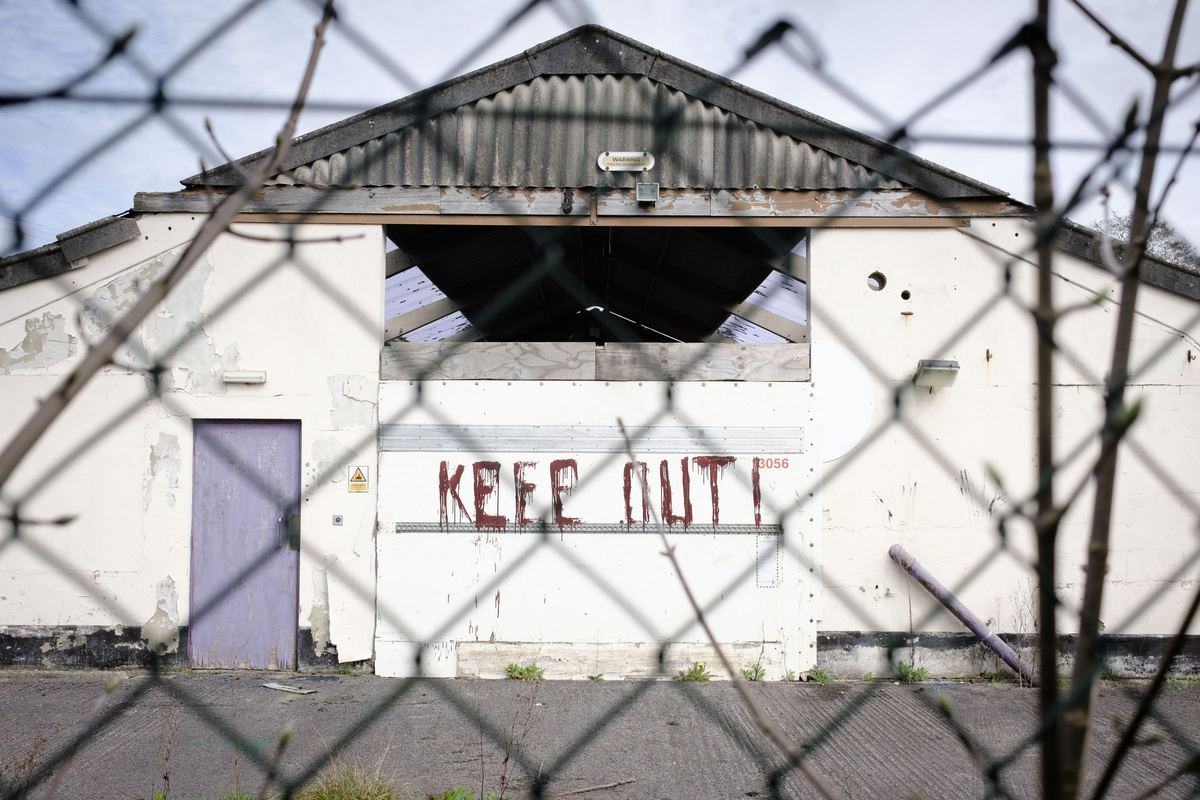
Why do vacant buildings need a security plan?
An empty building is exposed to risks that an occupied one is largely protected from by everyday activity:
Read moreShow less
- unauthorised occupation;
- theft of metals, cabling, fixtures and plant;
- criminal damage, graffiti and fly-tipping;
- deliberate fire setting;
- escape of water from frozen or damaged pipes, which can go unnoticed for days;
- injury to intruders, which can create liability.
Many of these problems escalate quickly once a building appears neglected, so early, visible measures matter.
Step 1: Assess the property and its risks
Start with a site survey. Record the building’s construction, entry points (doors, windows, roof access, service yards), condition, surroundings, utilities and any hazards, such as asbestos, unstable structures, voids or roof edges.
Read moreShow less
Consider how long the building will be empty and what will happen next: a short letting void needs different measures from a long-term disposal or a site awaiting demolition. HSE’s basic risk assessment steps (identify hazards, assess the risk, take action) are a useful framework.
Step 2: Understand your legal duties
Read moreShow less
Duties to people who enter
The Occupiers’ Liability Act 1984 means an occupier can owe a duty to people who are not lawful visitors, including trespassers, where it knows of a danger and has reasonable grounds to believe someone may come near it. Reasonable steps to keep people out, and warnings about dangers, help discharge that duty.
Fire safety
The Regulatory Reform (Fire Safety) Order 2005 places duties on the “responsible person” for non-domestic premises, which can include owners, landlords, managing agents and others with control. Confirm with your fire risk assessor how the order applies to your empty building and whether the fire risk assessment needs revising for the vacant period.
Squatting
In England and Wales, squatting in a residential building is a criminal offence under section 144 of the Legal Aid, Sentencing and Punishment of Offenders Act 2012. Squatting in non-residential buildings is not in itself a crime, although related acts, such as damage, can be, and removal usually requires a legal process. Preventing entry in the first place is far simpler than removing occupants afterwards.
Business rates
In England, empty property relief normally lasts three months for most non-domestic properties after they become empty, with a further three months (up to six months in total) for industrial premises such as warehouses. After that, full rates usually apply, which affects the cost of holding the building and the timing of any decision on disposal.
Step 3: Check your insurance conditions
Commercial property policies often contain specific conditions once premises are unoccupied for a defined period.
Read moreShow less
These can include notifying the insurer, regular inspections, removing combustible waste, draining down water systems, securing entry points and keeping records. The exact terms vary, so read your policy wording or speak to your broker before the building becomes empty, and plan your inspection schedule to meet the conditions.
Step 4: Choose proportionate security measures
Read moreShow less
| Measure | What it does | When to consider it |
|---|---|---|
| Physical securing | Locks, steel doors or screens, boarding, securing roof access and yards | Almost always; the foundation of the plan |
| Inspections | Regular documented visits checking security, condition and utilities | Almost always; often an insurer condition |
| Intruder alarm or wireless security pods | Detect intrusion and alert a monitoring centre | Where response is available and the building has items of value |
| Remote CCTV monitoring | Live review of detected activity, deterrence and evidence | Large sites, yards, or properties with repeated incidents |
| Mobile patrols | Visible activity and physical checks at random times | Most vacant properties, particularly in exposed locations |
| Keyholding and alarm response | An officer attends when an alarm activates | Wherever an alarm is fitted |
| Static guarding | Continuous on-site presence | High-value or high-risk buildings, or during critical periods |
Our guide to mobile patrols versus static guarding explains how to choose between those two options.
Step 5: Plan utilities
Decide, with your surveyor and insurer, which services to isolate and which to keep.
Read moreShow less
Draining down water systems reduces the risk of escape of water but may not suit buildings with sprinklers. Retaining a power supply may be needed for alarms, lighting or pumps. Record what was isolated, where, and by whom, and include utility checks in each inspection.
Step 6: Set an inspection routine and keep records
A typical vacant property inspection checks:
Read moreShow less
- the perimeter, gates and fencing;
- doors, windows, screens and boarding for signs of tampering;
- roof access and signs of metal theft;
- signs of occupation, entry or fly-tipping;
- water leaks, damp, meter readings and isolations;
- combustible waste or post build-up;
- alarm and detection equipment status.
Each inspection should be recorded with date, time, findings, photographs where useful, and actions taken. A consistent record helps show your insurer that conditions have been met, helps your surveyor plan maintenance and is useful evidence if an incident occurs. See security incident reporting explained.
Step 7: Agree what happens when something goes wrong
Decide in advance who will be called, who will attend and who can authorise emergency work.
Read moreShow less
If entry is found, the building may need to be checked, re-secured and boarded the same day. If an alarm activates, someone needs to attend; see the benefits of professional keyholding.
Short voids and long-term vacancy
The right plan depends on how long the building will be empty.
Read moreShow less
For a short void between tenants, the priority is usually to keep the building presentable and insurable: locks changed or keys recovered, alarm maintained and monitored, regular inspections, and post and waste cleared so the building does not look abandoned. For long-term vacancy, or buildings awaiting redevelopment, heavier physical security such as steel screens and doors becomes more likely, along with decisions on utilities, detection in the absence of mains power, and more frequent or randomised patrols. Review the plan if the expected vacancy period changes.
Communicating with neighbours and stakeholders
Neighbouring occupiers often notice problems first.
Read moreShow less
Providing a contact number for reporting concerns, and making sure your security provider and managing agent hold the same information, helps issues get reported and dealt with quickly. Where a building is in a residential area, consider how lighting, alarms and CCTV will affect neighbours.
Vacant property security checklist
Read moreShow less
- Site survey and risk assessment completed
- Insurer notified and unoccupancy conditions understood
- Fire risk assessment reviewed for the vacant period
- All entry points secured, including roof and yard
- Combustible waste and post removed or controlled
- Utilities isolated or retained by documented decision
- Detection and monitoring in place where justified
- Inspection schedule set and record template agreed
- Keyholder and response arrangements confirmed
- Review date set
How Seccuro secures vacant properties
Seccuro provides vacant property security including security and utility inspections, mobile patrols, keyholding and alarm response, remote CCTV monitoring and battery-powered Go Sentinel Pods, with emergency remedial repairs coordinated through approved contractors.
Read moreShow less
Services are available across the UK. See our vacant properties page, or request a quote.
Questions
How often should a vacant property be inspected?
It depends on the risk and your insurance policy. Many unoccupancy conditions specify a minimum inspection frequency, so check your wording first. Higher-risk buildings may need more frequent visits, supported by detection or monitoring between inspections.
Sources (7)Hide sources
- legislation.gov.uk: Occupiers’ Liability Act 1984, section 1
- legislation.gov.uk: Regulatory Reform (Fire Safety) Order 2005
- GOV.UK, Fire safety in the workplace: who’s responsible
- legislation.gov.uk: Legal Aid, Sentencing and Punishment of Offenders Act 2012, section 144
- GOV.UK: Squatting and the law
- GOV.UK, Business rates: empty property relief
- HSE: Managing risks and risk assessment at work
General guidance, not legal advice. Check current legislation and official guidance for your circumstances.