
Professional keyholding means a licensed security provider holds your keys or access devices securely and sends a trained officer to your premises when an alarm activates or an incident occurs out of hours. It removes the need for managers or staff to attend alone at night, helps you meet police and insurer expectations for alarm response, and produces a written record of every call-out. For most businesses with a monitored alarm, it is one of the simplest ways to reduce both risk and disruption.
Key takeaways
- Professional keyholding transfers out-of-hours alarm attendance from staff to licensed, trained security officers.
- Employers must manage the risks of lone working, and sending staff alone to alarm activations at night is a significant risk.
- Police forces in England, Wales and Northern Ireland follow the NPCC Security Systems Policy, which places requirements on keyholder arrangements for monitored alarms.
- Insurance policies often contain conditions about alarms, keyholders and unoccupied premises, so check your wording.
- Contract keyholding is a licensable activity, so the provider’s officers must hold the appropriate SIA licence.
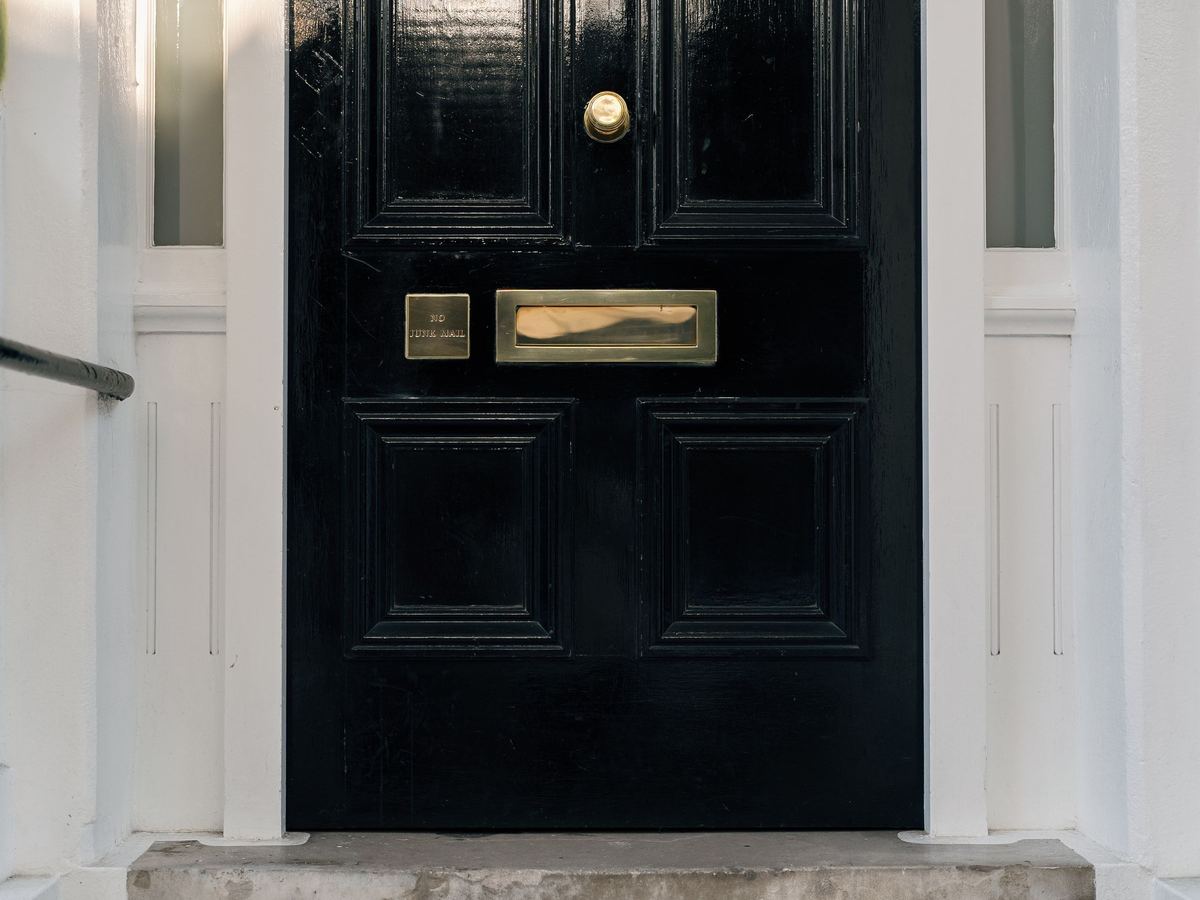
What does a keyholding and alarm response service involve?
A typical service works like this:
Read moreShow less
- Key handover. Keys, fobs and alarm codes are handed over, labelled anonymously and stored securely. Site information, including hazards, access routes, alarm zones and emergency contacts, is recorded.
- Activation. When the alarm activates, the alarm receiving centre (ARC) contacts the keyholding provider, which dispatches an officer.
- Attendance. The officer attends, carries out an external check and, where safe, an internal check; liaises with police if they are attending; resets or re-sets the alarm with your authority; and secures the premises.
- Follow-up. If doors, windows or shutters are damaged, many providers can coordinate emergency repairs, or arrange cover until the premises can be secured.
- Reporting. You receive an incident report describing what was found and what was done.
Many keyholding services also offer scheduled lock and unlock visits and periodic property checks.
Benefit 1: Staff safety and lone working
Without professional keyholding, alarm calls usually go to a manager or senior employee, often at night and alone.
Read moreShow less
That person may arrive at a building where an intruder is still present, in the dark, with no training in how to approach it. HSE is clear that employers must manage the health and safety risks before people work alone, and that lone workers face greater risks when no one is there to help if something goes wrong.
Transferring that attendance to a licensed security provider means the person responding is trained for it, supported by a control room, and covered by the provider’s own lone-working procedures. Some clients prefer their own keyholder to attend as well, for example to make decisions about the premises; a professional officer can attend alongside them so that no one goes in alone.
Benefit 2: Meeting police alarm response requirements
Police forces in England, Wales and Northern Ireland respond to remotely monitored alarm systems under a policy agreed by the National Police Chiefs’ Council (NPCC), commonly called the NPCC Security Systems Policy.
Read moreShow less
Scotland has its own arrangements. Key points from the published policy include:
- Monitored systems that meet the policy’s standards (Type A systems) are issued a unique reference number (URN) and may receive a police response. Other systems (Type B) generally need evidence from someone at the scene that an offence is taking place.
- Police response is ultimately determined by demand, priorities and resources at the time. Repeated false alarms can lead to police response being withdrawn, so that only a keyholder attends.
- The published policy has required premises with Type A systems to have at least two keyholders who are trained to operate the alarm, contactable by telephone, able to access all relevant parts of the premises, and able to attend within a set time of being notified (20 minutes in the 2018 edition). It states that a key safe is not an acceptable alternative, and that repeated failures by keyholders to attend can lead to police response being withdrawn for a period.
- The policy notes that customers using a commercial keyholding company should be aware of SIA licensing requirements and BS 7984 on keyholding and response.
The NPCC policy is reviewed periodically, and details can change between editions and be applied locally by each force. Ask your alarm company or ARC to confirm the current requirements for your system. A professional keyholding service helps you meet the keyholder requirements consistently, including during holidays and staff absence.
Benefit 3: Insurer expectations
Commercial insurance policies frequently contain conditions relating to security.
Read moreShow less
These can include requirements to maintain and set an intruder alarm, to have keyholders available to respond, and specific conditions when premises are unoccupied, such as regular inspections. The exact terms vary by insurer and policy, so read your policy wording or ask your broker. If your policy requires keyholder attendance or inspections, a professional service gives you a dependable way of meeting the condition and a written record to show you did.
Benefit 4: A reliable record of every incident
An incident report after every activation gives you:
Read moreShow less
- the time of the alert and the time of attendance;
- what the officer found, inside and out;
- whether police attended, and any crime reference;
- the action taken to secure the premises;
- any recommendations, such as a faulty detector causing repeated activations.
These records help with insurance claims, help your alarm company trace the causes of false alarms, and help protect your police response level. See security incident reporting explained.
Benefit 5: Less disruption for your team
Night-time call-outs disrupt sleep, family life and the next working day.
Read moreShow less
Centralising keyholding with a provider removes that burden from managers and avoids reliance on one or two people who may be unavailable or live some distance away.
Licensing and standards to check
Contract keyholding is a licensable activity under the Private Security Industry Act 2001.
Read moreShow less
Officers providing it on behalf of a client must hold the appropriate SIA licence. When selecting a provider, also ask:
- How are keys stored, labelled and tracked, and who can access them?
- How are officers dispatched and supported out of hours?
- What are the agreed attendance arrangements, and how is performance reported?
- What happens if the premises cannot be secured after an incident?
- Is the provider ACS-approved for key holding? Check the SIA Register of Approved Contractors, which lists approval by activity.
BS 7984 is the British Standard for keyholding and response services; you can ask whether a provider works to it, but it is not a legal requirement.
What you will need to provide
To set up a keyholding service, a provider will normally need:
Read moreShow less
- keys, fobs or cards for every door the officer may need to pass through, including alarm panel areas;
- alarm codes and instructions for setting and unsetting the system;
- a site plan or description showing entrances, alarm zones and the location of the alarm panel;
- details of hazards, such as plant, chemicals, unsafe areas or animals;
- contact details for your own nominated contacts and escalation preferences;
- details of your alarm company and alarm receiving centre, so that the provider can be added as a keyholder;
- authority limits, such as whether the officer may call out a glazier or locksmith on your behalf.
Update the provider whenever locks, codes, contacts or the layout change.
Is professional keyholding right for you?
It is usually worthwhile if you have a monitored alarm, if staff currently respond to alarms alone, if your premises are unoccupied overnight or at weekends, or if your insurer or the police policy expects reliable keyholder attendance.
Read moreShow less
It also pairs naturally with mobile patrols, because the same provider can attend alarms between scheduled visits.
Keyholding from Seccuro
Seccuro provides keyholding and 24/7 alarm response carried out by SIA-licensed officers, with attendance arrangements agreed for each site.
Read moreShow less
Request a quote to discuss your premises.
Questions
Do police still respond to burglar alarms?
Yes, but not unconditionally. The conditions that apply to your system, and how a response can be lost, are set out under Benefit 2 above.
How many keyholders does a business need?
At least two, if your alarm has a police response. The conditions each keyholder must meet are listed under Benefit 2 above.
Does a keyholding officer need an SIA licence?
Yes. You can check any officer’s licence on the SIA’s public Register of Licence Holders.
Sources (7)Hide sources
- HSE, Lone working: protect those working alone
- HSE: Lone working
- NPCC: Police Requirements & Response to Security Systems (2018 edition)
- GOV.UK: Apply for an SIA licence (licence types, including key holding)
- GOV.UK: Check security staff have a licence to work
- SIA: Register of Approved Contractors
- ProtectUK: Physical security measures
General guidance, not legal advice. Check current legislation and official guidance for your circumstances.