
Commercial Keyholding Services
We hold your keys securely and send SIA-licensed officers to your premises when your alarm activates or access is needed out of hours, so your managers and staff do not have to.
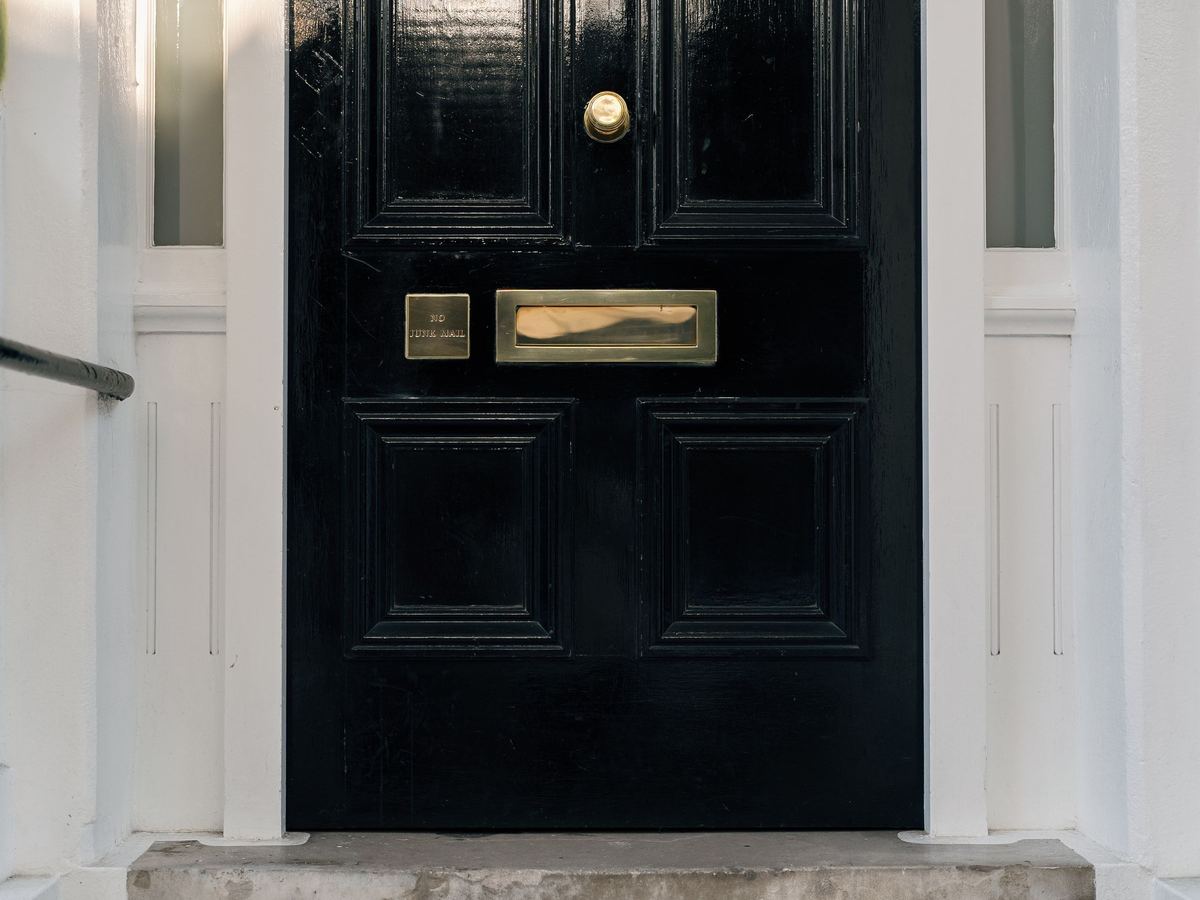
Keyholding is a service in which a security company holds the keys to your premises and acts as your nominated keyholder. When the alarm activates or out-of-hours access is needed, a licensed officer attends, checks the premises, deals with the issue and reports back, instead of a member of your staff being called out.
- Staff are not called out alone
- Response at any hour
- Keys held under agreed controls
- Premises re-secured
- A report after every activation
- Out-of-hours access handled
How it works
- 1Site visit
- 2Key handover and instructions
- 3Alarm account update
- 4Attendance
- 5Reporting
- 6Review
The detail
Open any topic for the full explanation.
Why businesses use a professional keyholder
When an intruder alarm activates at 3am, someone has to go. Often it is a store manager, facilities lead or business owner, travelling alone to an empty building with no idea what they will find. That is a real personal safety risk, it disrupts their sleep and working week, and it relies on them being available and close enough to attend.
A professional keyholder removes that burden. Our SIA-licensed officers attend alarm activations, check and re-secure premises, and are supported by 24-hour control room support. If your alarm is monitored by an alarm receiving centre, we can be named as a keyholder on your account. For a fuller explanation, see the benefits of professional keyholding.
Secure key management
Holding a client’s keys is a serious responsibility, and buyers should expect any keyholder to explain its key control in detail. Good practice, reflected in BS 7984-1, includes:
- Coded, anonymous keys: keys are tagged with a reference code rather than your name or address, so a lost key cannot be linked to your premises.
- Controlled storage: keys are held in secure storage with access restricted to authorised staff.
- Signed issue and return: every time a key is issued to an officer and returned, it is recorded.
- Key audits: holdings are checked against the register so any discrepancy is found quickly.
- Your instructions on file: alarm codes, contacts and site-specific instructions are recorded and kept up to date with you. If you change locks, tell us so the record can be updated.
We set out our key control arrangements in the proposal and assignment instructions, so you can check them against these points before any keys change hands.
Keyholding with 24/7 alarm response
Keyholding and alarm response work together. When we are notified of an activation, an officer collects the keys and attends. They check the outside of the building, then the inside, reset the alarm where it is safe to do so, re-secure the premises, and complete an incident report. If there are signs of a break-in, they contact the police and wait for officers where required, and can coordinate emergency remedial repairs through approved contractors.
Keyholding also covers non-alarm needs: letting in contractors or emergency engineers out of hours, checking the premises after a storm or flood, and locking and unlocking on a schedule.
Attending alongside your own keyholder
Some clients prefer one of their own staff to attend, for example where specialist knowledge of the site or equipment is needed. In that case, our officer can attend alongside your keyholder so they are not entering an empty building alone. The Health and Safety Executive (HSE) is clear that employers must manage the risks to people who work alone, and its guidance, Protecting lone workers: How to control the risks of working alone (INDG73), sets out how. Pairing a staff keyholder with a security officer is one practical control.
Licensing, law and standards
Keeping, or controlling access to, keys for a client’s premises is a licensable activity under the Private Security Industry Act 2001. Our officers hold SIA licences appropriate to the work they do. Where a call-out involves guarding activity, such as staying to protect premises that cannot be secured, officers need a front-line licence for that activity too.
BS 7984-1 is the British Standard giving recommendations for keyholding and response services, including key security, response and record keeping. Police requirements for monitored alarms also refer to it. We explain it here because it is a useful benchmark when comparing providers; Seccuro does not claim certification to BS 7984. Ask any provider how keys are coded and stored, how issue is recorded, and how officers are monitored when they attend alone.
Technology and reporting
Key issue and return is recorded under the agreed key controls, and you receive an incident report after every alarm activation. Keyholding can be combined with mobile patrols, which use marked, satellite-tracked vehicles and produce a digital report per visit. See technology and reporting.
Questions
How quickly will an officer attend?
We agree response times per site before the contract starts, based on where your premises are and how our officers are deployed. We do not publish a single national figure because it would not be accurate for every location. If your alarm is police-monitored, check the keyholder attendance expectations in your monitoring contract and make sure the agreed time meets them.
What does keyholding cost?
Keyholding is commonly priced as a retainer for holding keys and being on call, plus a charge for each attendance. The main cost factors are the number of premises, how often activations occur, time on site, and extras such as waiting for the police or a glazier, or staying to guard insecure premises. We set out exactly how our charges are structured in the quote.
What do you need from us to set up keyholding?
We need a full set of keys and any fobs or cards, alarm codes and instructions for setting and unsetting, your escalation contacts, and details of your alarm company and monitoring centre. You or your alarm company will need to add us as a keyholder on the monitoring account.
Talk to us about your site
We review every enquiry and come back with a written, costed proposal.
Prefer to talk? 0330 520 2207
Fields marked required are all we need to prepare a proposal.