
Security for Vacant and Void Properties
An empty building loses value quickly once it is entered, stripped or occupied.
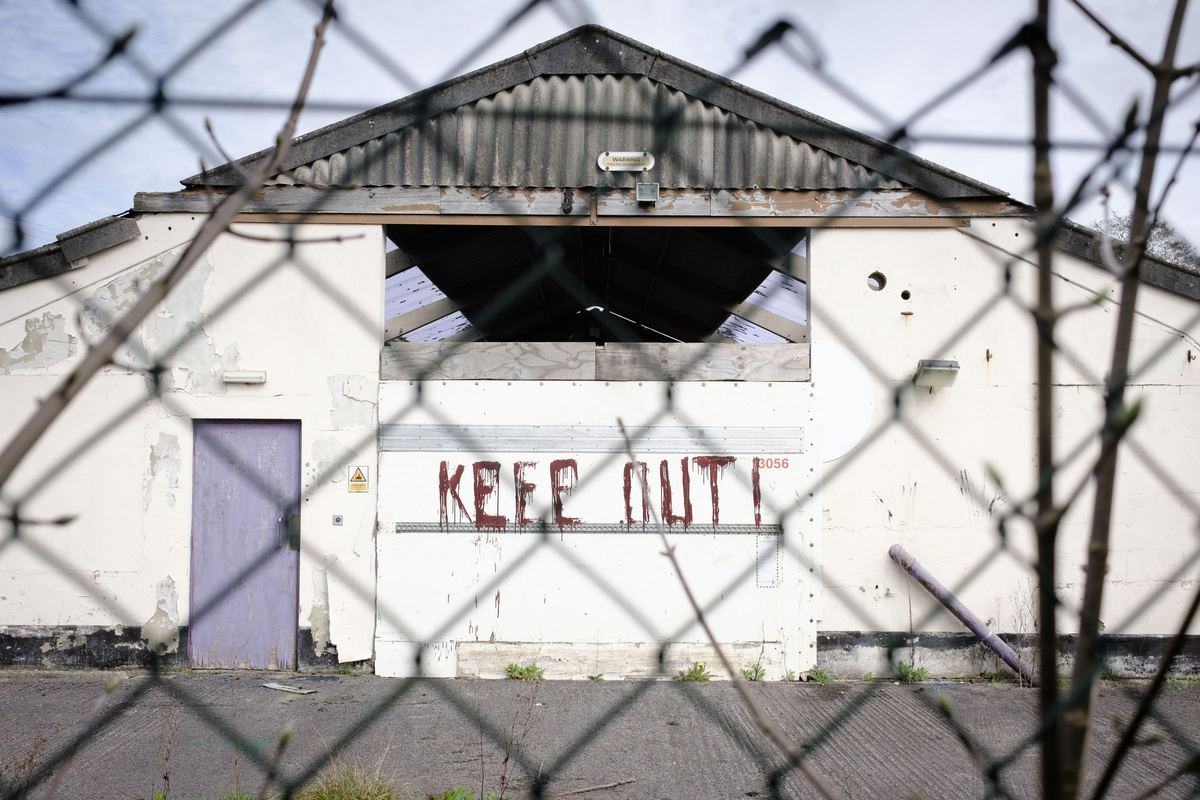
Vacant property security protects buildings that are temporarily or permanently empty from break-ins, metal theft, vandalism, arson and unauthorised occupation. It usually combines regular security and utility inspections, alarmed or monitored CCTV, mobile patrols, keyholding and alarm response, and coordination of repairs when damage is found.
The detail
Open any topic for the full explanation.
Why empty buildings are targeted
Vacant buildings attract metal thieves, vandals, fly-tippers, urban explorers and people looking for somewhere to occupy. Once a building is known to be empty, risk escalates quickly: a broken window becomes a stripped plant room, then water damage, then a fire. Early detection and a fast, visible response are what stop that escalation.
Unoccupied buildings also bring insurance obligations. Policies commonly include unoccupancy conditions, such as regular inspections, utilities isolated or drained down and post removed, so check your policy wording and keep evidence that the conditions are met.
Inspections that cover security and utilities
Seccuro carries out vacant property security and utility inspections. Officers check the perimeter, doors, windows, boarding and roof access for signs of entry; walk the interior where safe; check for leaks, damp and damage; remove post and fly-tipping where agreed; and record findings for each visit. Where damage is found, we coordinate emergency remedial repairs through approved contractors.
Technology for sites without power
Empty buildings often have utilities isolated. Off-grid CCTV towers and security pods provide detection without mains power. Go Sentinel Pods run on battery power and combine 4K and thermal cameras with an LED beacon, a siren and live audio talkdown. Alerts go to remote monitoring with 24-hour control room support, linked to alarm response.
What we need to know to scope the site
To protect a vacant building we need:
- Address, site plan and access arrangements.
- Insurer unoccupancy conditions, including inspection frequency.
- Utility status and any drain-down or isolation already done.
- Existing alarms, boarding or fencing.
- Approved contractors and escalation contacts.
Deployment options
- Inspection programme: Scheduled visits to the frequency your insurer or asset plan requires.
- Technology plus response: Towers or pods with remote monitoring and alarm response.
- Static guarding: Officers on site for high-risk buildings or immediately after a breach.
Compliance considerations
Officers carrying out guarding or keyholding hold the relevant SIA front-line licence. In England and Wales, squatting in a residential building is a criminal offence under section 144 of the Legal Aid, Sentencing and Punishment of Offenders Act 2012; commercial buildings are not covered by that offence. CCTV must follow UK GDPR and ICO guidance.
Security technology
Off-grid towers, solar lighting towers and security pods connect to remote monitoring. Mobile patrols use satellite-tracked marked vehicles with wearable digital patrol recording.
Reporting
Each inspection and patrol visit produces a digital report recording checks and findings, and every alarm activation is followed by an incident report. Reports form a dated record for insurers, lenders and asset managers.
Questions
How often should a vacant property be inspected?
Start with your insurer’s unoccupancy conditions, which often set a minimum inspection frequency. Beyond that, frequency depends on location, previous incidents and the building’s value. Higher-risk buildings may need more frequent visits combined with monitored technology. Keep every report as evidence.
Is squatting in a commercial building illegal?
Not in itself, as the offence described above covers residential buildings. Related acts such as criminal damage are offences, though. Removing occupiers can therefore take time, which is why prevention and early detection matter.
Do you coordinate repairs after a break-in?
Yes, following your instructions, with typical repairs such as boarding or lock changes. Temporary guarding can be arranged until the building is secure again and the repair is complete. Case studies are available on request.
Talk to us about your site
We review every enquiry and come back with a written, costed proposal.
Prefer to talk? 0330 520 2207
Fields marked required are all we need to prepare a proposal.