
24/7 Alarm Response Services
When your intruder or fire alarm activates, an SIA-licensed officer attends, checks the premises outside and in, involves the police where needed, re-secures the building and sends you an incident report.
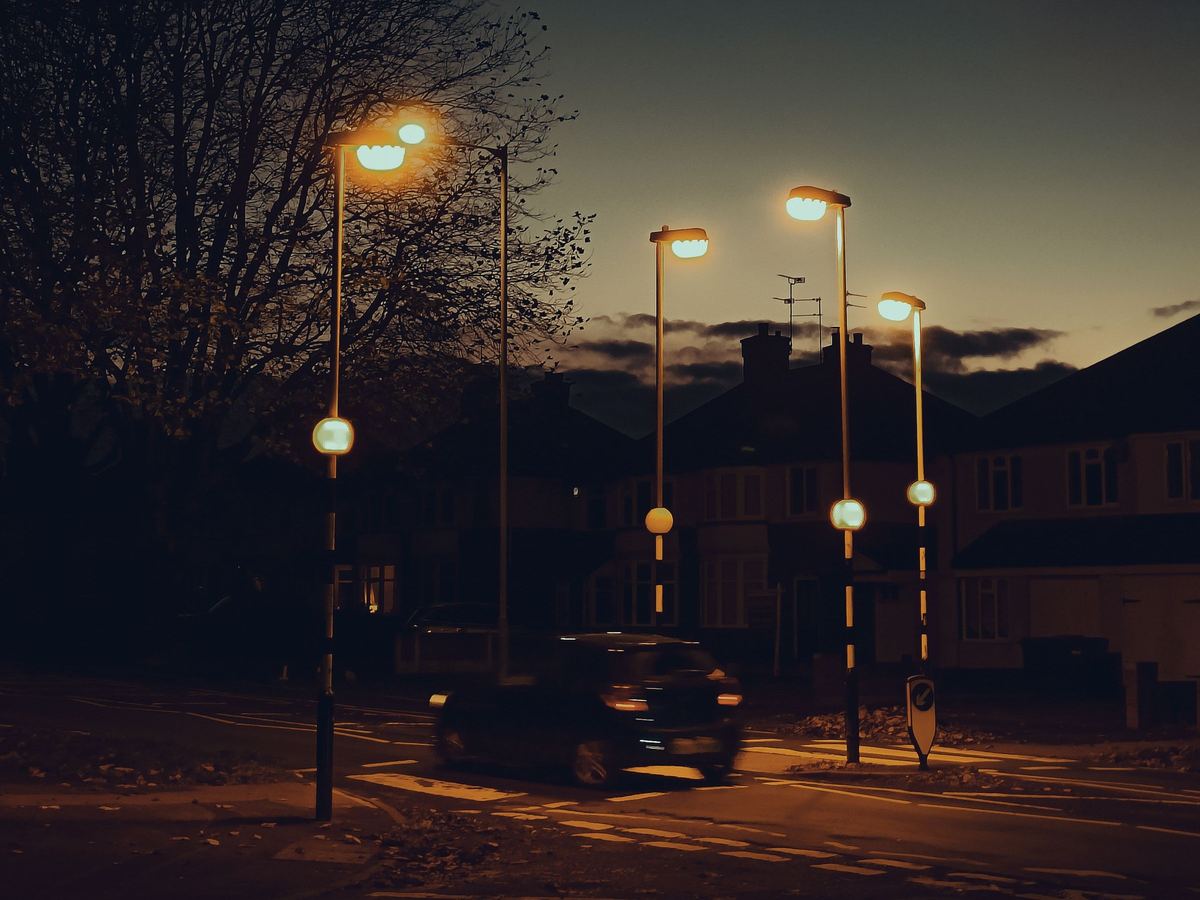
Alarm response is a service in which a security officer attends your premises when an alarm activates. The officer checks the building externally and then internally, contacts the police if a crime is in progress or has been committed, resets the alarm where safe, re-secures the premises and reports what was found.
- Staff stay safe at home
- A consistent procedure
- Premises left secure
- A report every time
- Supports police response
- Fewer false alarms over time
How it works
- 1Site survey
- 2Assignment instructions
- 3Key handover and monitoring set-up
- 4Attendance
- 5Incident reporting
- 6Review
The detail
Open any topic for the full explanation.
What happens when your alarm activates
Every response follows the procedure written into your assignment instructions. A typical attendance runs like this:
- Notification: we are alerted by your alarm receiving centre, your own team or a remote monitoring service.
- Attendance: an officer travels to site with your keys, under the response times agreed for your premises.
- External check: before entering, the officer walks the perimeter, checking doors, windows, shutters, roof access and signs of forced entry.
- Police involvement where required: if there are signs that a crime is in progress or has been committed, the officer contacts the police and does not enter until it is safe to do so.
- Internal check: where it is safe, the officer enters, checks the zones that triggered, and looks for intruders, damage, fire, leaks or a fault.
- Reset and re-secure: the alarm is reset where possible, and the building is locked and left secure.
- Repairs: if a door, window or shutter cannot be secured, we coordinate emergency remedial repairs, such as boarding up or lock replacement, through approved contractors, within the authority levels you set in the assignment instructions.
- Incident report: you receive an incident report after every activation.
Police response, URNs and why keyholders matter
In England, Wales and Northern Ireland, police response to security systems is governed by the National Police Chiefs’ Council (NPCC) policy, Police Operational Advice and Security Industry Requirements for Response to Security Systems. Police Scotland operates its own policy. Under the NPCC policy, remotely monitored systems that meet the required standards (Type A) can be issued a Unique Reference Number (URN) by the police, which allows the monitoring centre to request police attendance. Other systems, such as audible-only bells (Type B), do not get a police response from the alarm alone; police attend only where there is evidence that a crime is being committed, reported by someone at the scene.
The policy also sets requirements for keyholders: they must be contactable, trained to operate the alarm, have transport, have access to all relevant parts of the premises, and be able to attend within the required timescale. If keyholders fail to attend, or a system generates repeated false calls within a rolling 12-month period, police response can be withdrawn so that only keyholder response remains. Having a dependable keyholder, and acting on the causes of false alarms, protects your URN. Our keyholding service is designed to work with these arrangements.
Reducing false alarms
Most activations are not break-ins. Common causes include doors left insecure, faulty detectors, poorly placed sensors, pests, and staff entering codes incorrectly. Each incident report records what triggered the alarm and what the officer found, so patterns become visible. We flag recurring faults to you, so your alarm maintainer can fix them before they cost you call-out charges or police response.
When an officer needs to stay
Sometimes premises cannot be left secure: a smashed shopfront, a forced shutter or a failed alarm panel. In those cases the officer can remain on site until repairs are made, or we can arrange temporary security guarding, extra patrol visits or emergency security cover until the building is protected again.
Licensing, law and standards
Officers attending alarm activations with your keys carry out activity licensable by the SIA under the Private Security Industry Act 2001, and hold the appropriate SIA licences. BS 7984-1 gives recommendations for keyholding and response services, and the NPCC policy expects customers using a commercial keyholding company to be aware of SIA licensing and BS 7984-1. Seccuro does not claim certification to BS 7984.
Check your alarm monitoring contract for keyholder requirements, make sure your URN details and keyholder list are current, and confirm that any provider can attend within the timescale your arrangements require. Police response policies are set out by the NPCC and by individual forces, and can change.
Technology and reporting
Officers are supported by 24-hour control room support. Alarm response can be combined with remote CCTV monitoring, and with mobile patrols that use marked, satellite-tracked vehicles and wearable digital patrol recording. See technology and reporting.
Questions
Do you replace the police?
No. Our officers check, secure and report; the police deal with crime. Where police response to your alarm has been withdrawn, keyholder attendance becomes the only response, which makes a reliable keyholder more important.
What is a police URN and do we need one?
Without a URN, the police will not respond to the alarm signal alone. Your alarm installer applies for it.
What does alarm response cost?
Alarm response is usually combined with keyholding and priced as a retainer plus a charge per attendance. Costs depend on the number of premises, how often your alarm activates, time spent on site, and extras such as waiting for repairs or staying to guard the premises. Fixing recurring false alarms is the most effective way to reduce costs. We show the charges clearly in the quote.
What does the incident report include?
The report records when we were notified, when the officer arrived and left, the zones that triggered, the results of the external and internal checks, whether the police were contacted, the cause where it could be identified, any damage, and how the premises were left. It is sent after every activation.
What do you need from us to start?
We need keys and any fobs or cards, alarm codes and instructions, your alarm company and monitoring centre details, any police URN, an escalation contact list, and your spending limit for emergency repairs. You or your alarm company will need to add us as a keyholder on the monitoring account.
Talk to us about your site
We review every enquiry and come back with a written, costed proposal.
Prefer to talk? 0330 520 2207
Fields marked required are all we need to prepare a proposal.