
Reception and Concierge Security
Your reception is both the first impression of your organisation and the first line of your building’s security.
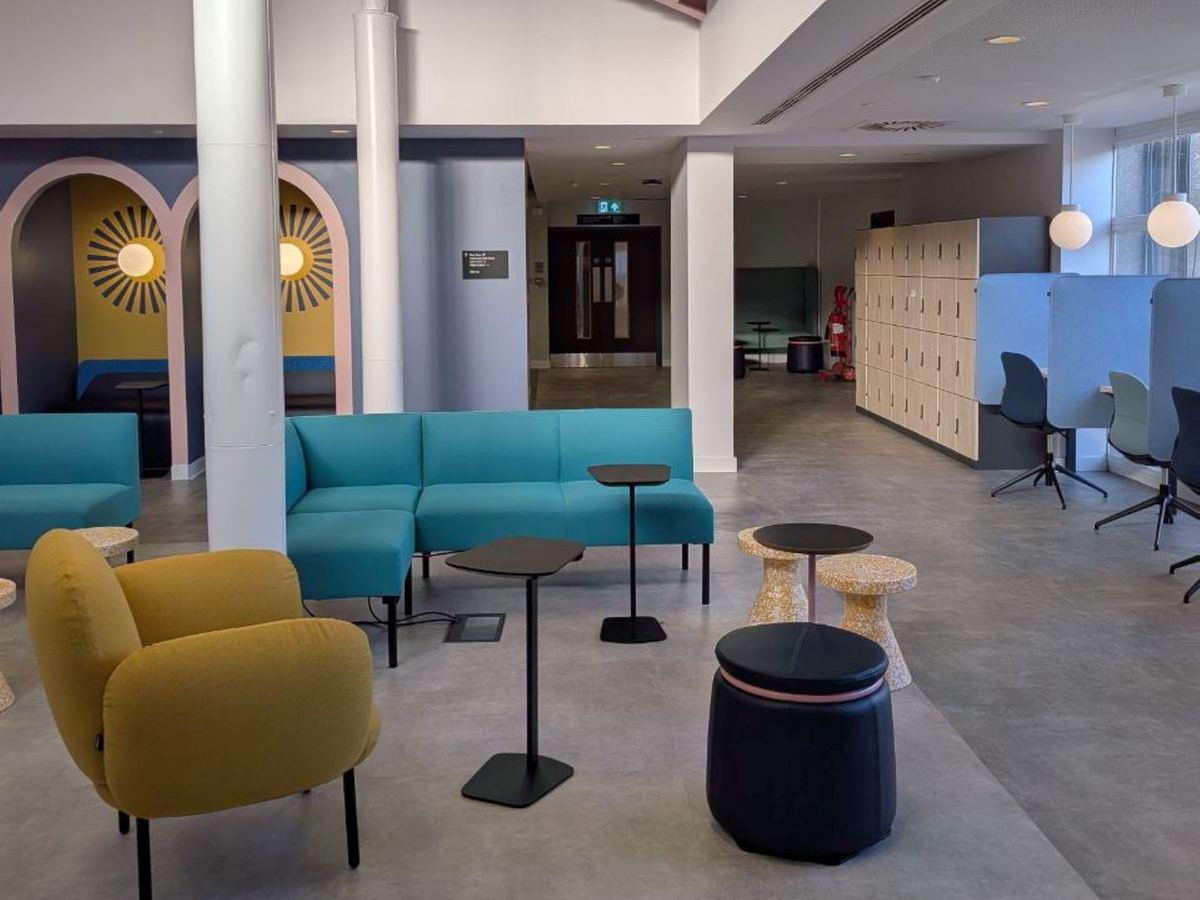
Reception security, often called concierge security, places an SIA-licensed security officer at the front desk of a building. The officer welcomes visitors, verifies identity, issues passes, controls access to secure areas and responds to incidents, combining the customer service of a receptionist with the vigilance of a guard.
- A professional first impression
- Consistent access control
- Trained to handle incidents
- One team for day and night
- Clear records
How it works
- 1Site survey
- 2Assignment instructions
- 3Officer selection and induction
- 4Mobilisation
- 5Supervision and reporting
- 6Review
The detail
Open any topic for the full explanation.
Customer service and security at the same desk
In many buildings the reception desk is where security either works or fails. Tailgating through a barrier, a visitor who wanders off the agreed route, a courier who is waved through to a restricted floor, or an aggressive caller who escalates in front of guests: each of these starts at front of house.
Reception and concierge security officers are trained and licensed security professionals who also present your organisation well. They greet visitors and staff, answer queries, and keep the lobby calm and orderly, while applying your access procedures consistently and noticing behaviour that does not fit. Seccuro provides reception and front-of-house security as part of our security guarding service, so the desk is supported by the same supervision, reporting and escalation as any guarding contract.
What reception security officers do on shift
Duties are written into assignment instructions agreed with you. They commonly include:
- Visitor management: signing visitors in, checking identification against expected visitor lists, issuing and recovering passes, notifying hosts and escorting where required.
- Access control: monitoring barriers and doors, preventing tailgating, checking passes, managing contractor access and permits, and controlling out-of-hours entry.
- Deliveries and post: receiving parcels and couriers according to your mail-handling procedure, including any screening steps.
- Customer service: answering telephone and front-desk enquiries, managing meeting room arrivals and giving directions.
- Monitoring and patrols: watching on-site CCTV where in scope, and carrying out internal patrols at agreed times.
- Emergency roles: supporting evacuation, keeping visitor and contractor records available for roll call, and acting as a point of contact for emergency services.
- Opening and closing: unlocking, lock-down checks and alarm setting at the start and end of the day.
Integrated with guarding, patrols and technology
A reception officer rarely works alone. In larger buildings the front desk is often one post within a wider team that includes static officers, internal patrols and a control or CCTV point. Seccuro can provide those posts under one contract, with clear handovers between day reception and night security, so knowledge of the building is not lost at shift change.
Where your building uses electronic access control, visitor management software or CCTV, officers are briefed to operate them in line with your procedures. Integration of electronic systems with guarding is part of how we scope a front-of-house contract, rather than an afterthought.
Out of hours, the building can be covered by mobile security patrols, keyholding and alarm response, giving round-the-clock protection without a full-time night post where the risk does not require one.
Scoping a reception security contract
To prepare an accurate proposal, we ask about:
- Building opening hours and the hours the desk must be staffed, including breaks and cover.
- Typical daily volumes of visitors, contractors and deliveries.
- Your access control system, visitor management process and pass types.
- Uniform and presentation expectations, for example corporate dress rather than traditional security uniform.
- Any switchboard, meeting room or facilities tasks you want included.
- Your incident escalation contacts and emergency procedures.
The main factors affecting price are hours of cover, the number of posts, the skills required (for example, operating complex systems or handling high visitor volumes), and whether relief cover must be guaranteed by named, site-trained officers.
Licensing, law and standards
Licensing. Under the Private Security Industry Act 2001, officers guarding premises against unauthorised access, theft or disorder under a contract for services must hold an SIA Security Guarding licence (or a licence that covers it). Front-line licences normally last three years and must be displayed while on duty.
Visitor data. Visitor logs, ID checks and access control records involve personal data under UK GDPR. Your visitor process should tell people what is collected and why, and logs should be retained only as long as needed. Where officers operate CCTV, the ICO’s video surveillance guidance applies.
Martyn’s Law. The Terrorism (Protection of Premises) Act 2025 received Royal Assent in April 2025, with an implementation period of at least 24 months. Some premises open to the public will need procedures that involve front-of-house staff, such as evacuation, invacuation and lockdown. Check the Home Office and SIA guidance on whether your premises are in scope, and build any procedures into the assignment instructions.
Technology and reporting
Incidents are recorded and reported according to the assignment instructions. Where patrols form part of the contract, visits are recorded through wearable digital patrol recording. See technology and reporting.
Questions
What is the difference between a receptionist and a reception security officer?
A receptionist focuses on customer service and administration. A reception security officer provides that service but is also SIA-licensed and trained to control access, challenge unauthorised entry, handle conflict and support emergencies.
Can officers wear corporate dress instead of a security uniform?
Yes, where that suits your building. Many corporate and residential clients prefer a concierge-style appearance. Officers must still display their SIA licence, so we agree a discreet but compliant way of doing that.
Can reception officers cover switchboard or facilities tasks?
Often, yes, provided the tasks do not stop them carrying out their security duties. We agree the balance in the assignment instructions. Tasks such as answering calls, booking meeting rooms and receiving post are common. During busy periods or incidents, security duties take priority, so the instructions should say what happens to other tasks then.
How do you handle holiday and sickness cover?
Cover arrangements are agreed in the contract. For front-of-house posts, continuity matters, so we aim to train relief officers on your site in advance so they know the building, systems and key people. Where you require named relief officers, that affects price and should be specified in the tender or request for proposal.
Talk to us about your site
We review every enquiry and come back with a written, costed proposal.
Prefer to talk? 0330 520 2207
Fields marked required are all we need to prepare a proposal.