
Retail Security and Uniformed Store Officers
Seccuro provides uniformed security officers for stores, retail parks and shopping environments, deterring theft and anti-social behaviour, supporting colleagues under pressure and giving store managers a clear record of every incident.
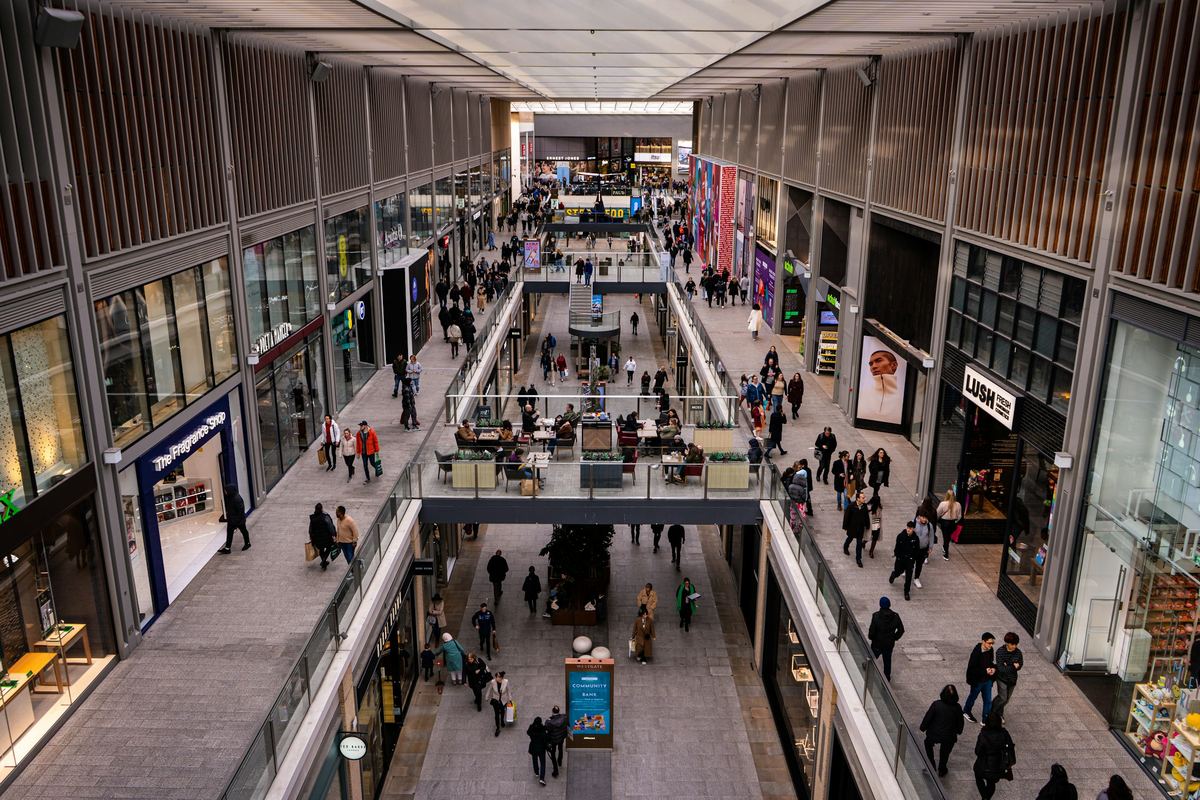
Retail security is the use of trained, licensed officers and supporting technology to deter and respond to theft, violence and anti-social behaviour in shops. Uniformed officers provide a visible deterrent at entrances and on the shop floor, support staff during incidents, and record events for the retailer and police.
The detail
Open any topic for the full explanation.
Uniformed officers as a visible deterrent
A uniformed officer’s value lies in visibility: an officer at the entrance and moving through high-risk aisles changes behaviour before an offence happens. Officers greet customers, watch for known offenders and suspicious behaviour, respond to tag alarms, and support colleagues facing abuse or aggression.
We do not provide plain-clothes store detectives. If your loss prevention strategy relies on covert detection and detention, that is a different service, and you should specify it separately.
What officers can and cannot do
Security officers have no more legal powers than any member of the public. In England and Wales, any person may make an arrest in limited circumstances under section 24A of the Police and Criminal Evidence Act 1984, but doing so carries real risk to the officer, the colleague and the retailer. Most retailers set a policy of observe, deter, record and report, with intervention limited to what is safe and proportionate.
We agree your policy on approaches, recovery of goods, use of force and police calls in the assignment instructions, so officers act consistently with your own colleague guidance.
Violence and abuse against shop workers
Protecting colleagues is now the main reason many retailers deploy officers. The Crime and Policing Act 2026, which received Royal Assent on 29 April 2026, creates a specific offence of assaulting a retail worker in England and Wales (section 45). At our last review, legislation.gov.uk showed that section as not yet in force, so check its commencement status before relying on it. Whatever the law, clear incident reports help police and prosecutors act.
What we need to know to scope the site
To scope retail cover we ask for:
- Incident and loss data by store, day and time, where available.
- Your colleague safety and intervention policy.
- Trading hours and peak periods, including seasonal trading.
- Existing CCTV, tagging and radio arrangements.
- Whether the store takes part in a local business crime partnership.
Deployment options
- Peak-hours officer: Cover targeted at the hours when incidents cluster.
- Full trading-hours cover: Officers from opening to close in high-risk stores.
- Out-of-hours protection: Keyholding, alarm response and monitored CCTV after closing.
Compliance considerations
Officers deployed in retail hold an SIA Security Guarding licence and display it while on duty. CCTV must comply with UK GDPR and the ICO’s video surveillance guidance. Large stores and shopping centres may fall within the Terrorism (Protection of Premises) Act 2025 once in force, depending on capacity; the Act received Royal Assent in April 2025 with at least a 24-month implementation period.
Security technology
We provide Go Sentinel Pods, compact 360° surveillance units for shops and forecourts with a siren and live audio talkdown, and remote monitoring with 24-hour control room support. Mobile patrols use satellite-tracked marked vehicles and record each visit digitally.
Reporting
Officers record every incident with time, description, goods involved and action taken, in a format agreed with you. We provide a periodic summary by store so loss prevention managers can see patterns and move cover where it is needed.
Questions
Is assaulting a shop worker now a specific offence?
Yes, under section 45 of the Act described above, once that section is commenced. Check the current status on legislation.gov.uk or with your legal team.
How do you decide when an officer is needed?
We look at your incident and loss data by day and hour, trading patterns and colleague feedback. Cover is often most effective when targeted at peak risk periods rather than spread thinly across all trading hours. We review deployment with you as data comes in.
What does retail security cost?
Cost is mainly driven by officer hours, the number of stores and any out-of-hours services such as keyholding and monitoring. Statutory pay rates, including the National Living Wage, also affect price. We provide a clear quotation once we understand the stores and hours involved. Case studies are available on request.
Talk to us about your site
We review every enquiry and come back with a written, costed proposal.
Prefer to talk? 0330 520 2207
Fields marked required are all we need to prepare a proposal.