
Vacant Property Security and Inspections
An empty building attracts break-ins, metal theft, vandalism, unauthorised occupation and undetected leaks.
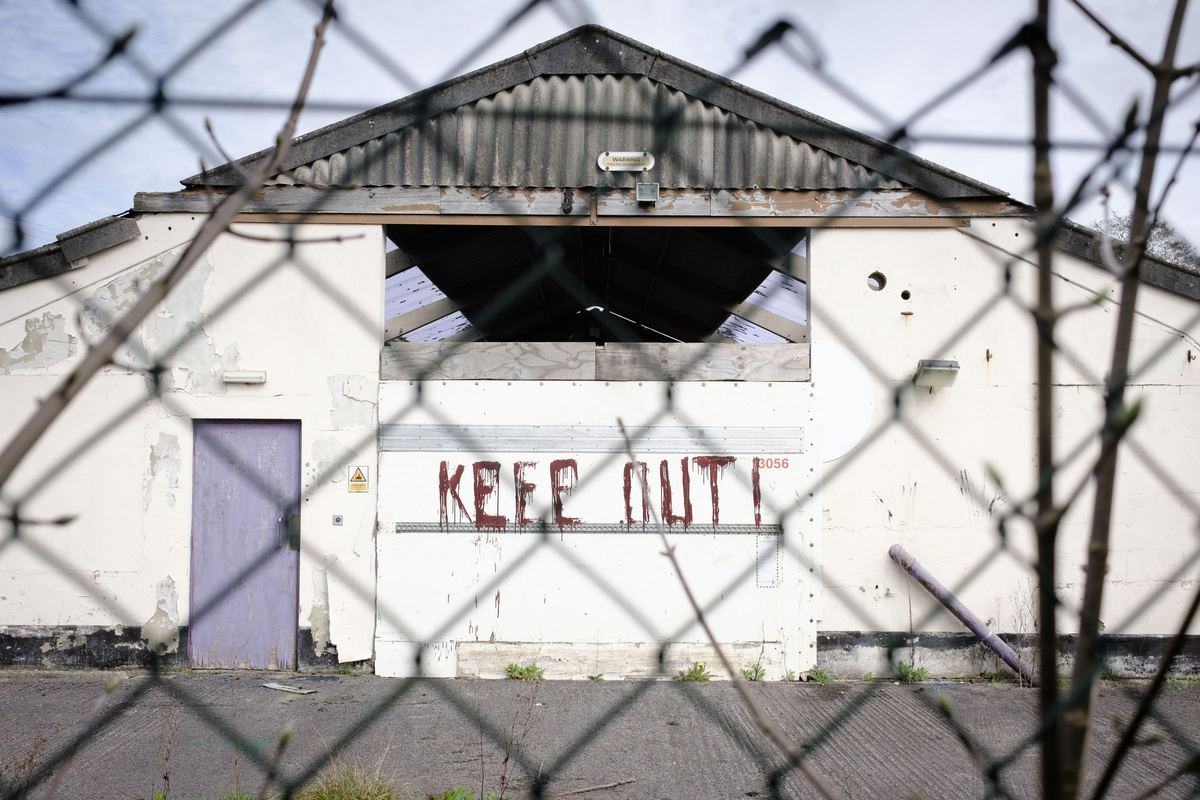
Vacant property security is the set of measures used to protect a building while it is empty, such as between tenancies or before redevelopment. It typically combines scheduled security and utility inspections, alarms or off-grid detection, CCTV, patrols and keyholding, with a written record of each visit to satisfy owners and insurers.
- Records that support your insurance
- Problems found early
- Detection without mains power
- Damage secured quickly
- Measures scaled to risk
- One coordinated provider
How it works
- 1Property review
- 2Security plan
- 3Site instructions
- 4Securing and mobilisation
- 5Inspections and response
- 6Review
The detail
Open any topic for the full explanation.
Why empty buildings need a plan
The risks to a vacant property build up quietly. Without people coming and going, a broken window or forced door can go unnoticed for days, a slow leak can flood a floor, and a building that looks abandoned invites further attention. Copper pipework, cabling and fittings are targets for theft, and unauthorised occupation can be difficult and expensive to resolve once it has happened.
A vacant property plan sets out how the building will be secured on day one, how it will be checked, how intrusions will be detected, and what happens when something is found. Seccuro provides each element and coordinates them, so landlords, asset managers and receivers have one point of contact and one set of records.
Scheduled security and utility inspections
Inspections are the backbone of most vacant property arrangements. On each visit an officer typically checks:
- The perimeter: fencing, gates, hoarding and boarding for damage or signs of entry.
- The building envelope: doors, windows, shutters and roof access points, confirming they are secure.
- The interior, where access is agreed: evidence of entry, occupation, vandalism or theft.
- Utilities: signs of water leaks, damp or flooding, and the condition of services that the owner has asked to be left on or isolated.
- Fly-tipping, graffiti and accumulated post that signal the building is empty.
Findings are recorded in a digital report for each visit, and urgent issues are escalated to you immediately. Where damage is found, we can secure the building and coordinate emergency remedial repairs through approved contractors, so the property is not left exposed while you arrange works.
The frequency of inspections is set with you. It is often driven by your insurer’s conditions, the building’s risk profile and whether other measures such as detection or CCTV are in place.
Detection and surveillance between visits
Inspections show the condition of a building at a moment in time. Detection covers the hours in between.
- Go Sentinel Pods bring 360° detection to buildings where utilities have been disconnected. They run on battery power and combine 4K and thermal cameras with an LED beacon, a siren and live audio talkdown.
- CCTV towers cover yards, car parks and cleared land without mains power and do not need refuelling or battery swaps.
- Remote CCTV monitoring with 24-hour control room support allows alerts to be verified and escalated.
When detection is triggered, our alarm response officers can attend under the agreed arrangements, and an incident report follows every activation.
Patrols, keyholding and lock-down
For many vacant buildings, a visible presence is a strong deterrent. Mobile security patrols in high-visibility marked vehicles can visit at varied times.
Seccuro can also hold the keys through our keyholding service, so contractors, agents and surveyors can be given supervised access without the owner attending. Our lock and unlock service includes full lock-down checks of doors, windows and lights. This is useful when a building is partially occupied, being viewed, or being worked on by contractors who may not leave it secure.
Where risk is high, for example immediately after a tenant leaves or following an attempted occupation, static guarding can be provided for a period before stepping down to inspections and detection.
Meeting insurer requirements for unoccupied property
Commercial property insurance policies often contain specific conditions once a building becomes unoccupied, commonly after a set number of consecutive days. Insurers often specify how frequently the property must be inspected, require the inspections to be recorded, and may ask for utilities to be isolated or drained, post to be cleared, combustible waste removed and alarms kept in working order. Breaching these conditions can affect cover.
Because conditions vary by insurer and policy, we ask you to share the relevant wording at the outset. We then build the inspection schedule and report content around it, so you can show your insurer exactly what was checked and when. Seccuro does not set a default inspection frequency; it is agreed per property.
Licensing, law and standards
Insurance conditions. Insurer requirements for unoccupied buildings vary by policy. Always check your current policy wording, and tell your insurer when a property becomes vacant.
Fire safety. In England and Wales, the Regulatory Reform (Fire Safety) Order 2005 continues to apply to non-domestic premises, and the responsible person should review the fire risk assessment when a building’s use changes. Removing combustible waste and keeping fire safety systems maintained are common inspection checks.
Licensing. Officers carrying out licensable activities hold the relevant SIA front-line licence, including the Key Holding licence where officers hold or control access to keys.
CCTV. Cameras on vacant sites still fall under UK GDPR where they capture identifiable people, so signage and a data protection impact assessment may be needed.
Technology and reporting
Every inspection and patrol visit is recorded through wearable digital patrol recording, and patrol vehicles carry satellite tracking. See technology and reporting.
Questions
How often should a vacant property be inspected?
There is no single legal frequency. Beyond your insurer’s conditions, the right schedule depends on the building’s location, condition, value and the other measures in place, and we increase frequency where risk is higher.
What happens if an inspection finds a break-in?
The officer reports it to you, contacts the police where a crime has occurred, and secures the building as far as possible. Repairs such as boarding or lock replacement are carried out only where you have authorised them, and temporary guarding or increased patrols can be added until the property is secure.
Can you cover a portfolio of empty properties?
Yes. Portfolio clients benefit from a consistent inspection checklist and report format across every building, which makes it easier to show insurers and stakeholders that each property has been checked to the same standard.
Talk to us about your site
We review every enquiry and come back with a written, costed proposal.
Prefer to talk? 0330 520 2207
Fields marked required are all we need to prepare a proposal.