
Emergency and Temporary Security Cover
A forced door, a failed alarm or an incumbent contractor who leaves early can leave a building exposed overnight.
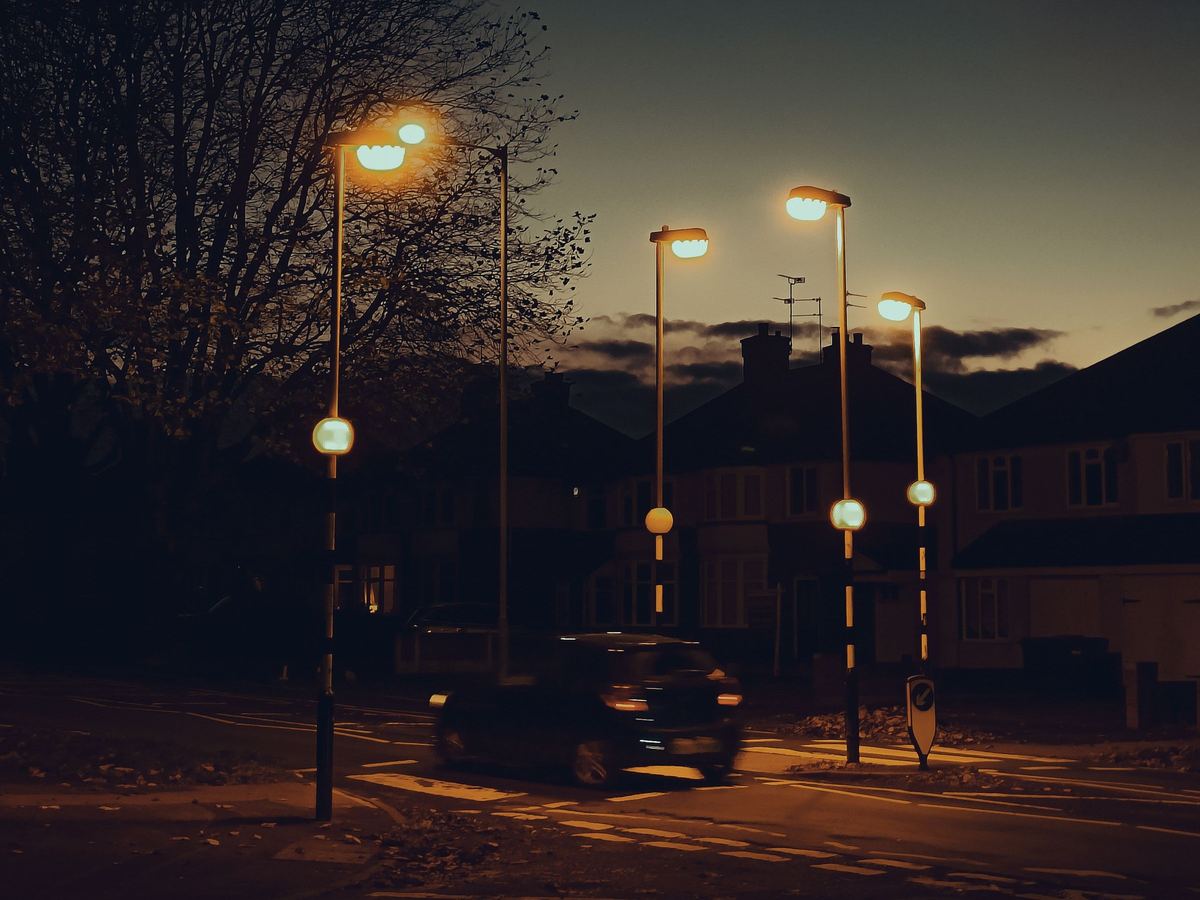
Emergency security cover is the short-notice deployment of security officers, patrols or temporary equipment to protect a site when its normal protection has failed or is unavailable. Common triggers include a break-in, broken locks or shutters, alarm or fire alarm faults, power failures and gaps between security contracts.
- The gap is covered
- One call for several services
- Honest availability
- Insurance and incident records
- A planned step-down
How it works
- 1Initial call
- 2Availability confirmed
- 3Deployment
- 4Site instructions formalised
- 5Reporting
- 6Step-down review
The detail
Open any topic for the full explanation.
When normal protection stops working
Most buildings rely on a combination of physical security, alarms and people. When one of those fails unexpectedly, the risk rises immediately, and often at the worst possible time: late at night, at a weekend, or just before a holiday period. Typical situations we are asked to cover include:
- After a break-in: doors, windows, shutters or fencing have been damaged and cannot be repaired until the following day or later.
- Failed locks or access control: a door cannot be secured, a barrier has failed open, or keys have been lost or not returned.
- Intruder alarm or CCTV failure: the system is offline and awaiting an engineer.
- Fire alarm faults: part or all of the system is out of service while repairs are arranged.
- Power failures affecting gates, lighting, cameras or alarms.
- Contractor handover gaps: an incumbent security provider has withdrawn, or a new contract cannot start on the planned date.
- Sudden changes in risk: a protest, a dispute, a high-value delivery or a tenant’s unplanned departure.
What emergency cover can include
The right response depends on what has failed and for how long. Options include:
- Static officers on site to secure a damaged building, control access and deter further attempts. This is usually the first measure when a building cannot be physically secured.
- Mobile patrols at increased frequency where the building is secure but the alarm or CCTV is down.
- CCTV towers or off-grid security pods to restore detection where fixed systems are offline or a site has no power.
- Keyholding and lock and unlock where keys or access arrangements need to be taken over.
- Coordinating emergency remedial repairs through approved contractors, such as boarding up, glazing or lock replacement, so the building can return to normal protection sooner.
Throughout, 24-hour control room support provides a point of contact and escalation for officers on site.
Rapid deployment without unrealistic promises
Seccuro offers rapid deployment for short-notice cover. We do not publish a fixed arrival time, because how quickly officers can be on site depends on the location, time of day, the number of officers and licence types required, and how much information is available. When you contact us, we will tell you honestly what we can provide and when, and confirm agreed response and attendance arrangements in writing.
To help us respond quickly, have the following ready if you can: the site address and access route, what has failed and why the site is exposed, the hours cover is needed, a contact who can meet the officer or arrange key access, and any hazards on site. If a crime is in progress, contact the police first.
Bridging a security contract handover
Handover gaps are one of the most common reasons for temporary security. An incumbent provider may give short notice, or mobilisation of a new contract may slip. During a gap, assignment instructions, keys, alarm codes and site knowledge can be lost.
Where we provide interim cover, we start by capturing the essentials: existing assignment instructions, key and code registers, contact lists and known risks. That record protects you whether the temporary cover leads to a longer-term security guarding contract or a handover to another provider.
Stepping down safely
Emergency cover should end when the risk has been dealt with, not run indefinitely. We agree with you what needs to happen before cover is reduced, for example repairs completed, the alarm restored and tested, or the new contractor in place. Cover can then step down from static guarding to patrols, monitoring or keyholding. Cost depends mainly on the number of officers, the hours, the duration and any equipment deployed, so a planned step-down keeps it under control.
Licensing, law and standards
Licensing. Officers carrying out licensable activities hold the relevant SIA front-line licence.
Fire alarm faults. In England and Wales, the Regulatory Reform (Fire Safety) Order 2005 requires the responsible person to keep fire safety equipment maintained and in efficient working order. If a fire alarm system is impaired, the responsible person should review their fire risk assessment and put suitable interim measures in place; Scotland has equivalent duties under the Fire (Scotland) Act 2005. Security officers can provide patrols and a presence, but Seccuro does not hold fire safety certification, and security cover is not a substitute for the responsible person’s fire safety decisions.
Lone working. Sending your own staff to an insecure site at night carries lone-working risk. HSE guidance on lone working expects employers to assess and control that risk.
Technology and reporting
Short-notice deployments are supported by 24-hour control room support. Mobile patrols use high-visibility marked vehicles with satellite tracking and wearable digital patrol recording, with a digital report per visit. An incident report follows every alarm activation attended. See technology and reporting.
Questions
What is the minimum period for temporary security?
Minimum shift lengths and periods are agreed when you book, as they depend on the location and officer availability. Many emergency deployments run overnight or for a few days until repairs are completed.
Can you arrange repairs after a break-in?
Yes, within limits you authorise in advance or at the time. Completing repairs quickly also reduces the time temporary guarding is needed.
Our security provider has given notice. Can you cover the gap?
Yes, where officers are available. Interim cover can continue until a new contract mobilises, or be converted into a longer-term service if that suits you.
Will my insurer accept temporary security?
That is a question for your insurer, and you should tell them promptly about a break-in or system failure. Many policies have conditions about notifying them and securing the premises. Our incident reports and visit records can help show what measures were in place and when.
Talk to us about your site
We review every enquiry and come back with a written, costed proposal.
Prefer to talk? 0330 520 2207
Fields marked required are all we need to prepare a proposal.