
Security for Commercial Property Owners and Landlords
For landlords, asset managers and owners of multi-let buildings, business parks and mixed-use schemes, Seccuro provides guarding, response and CCTV services that protect the asset, the common parts and the tenant experience.
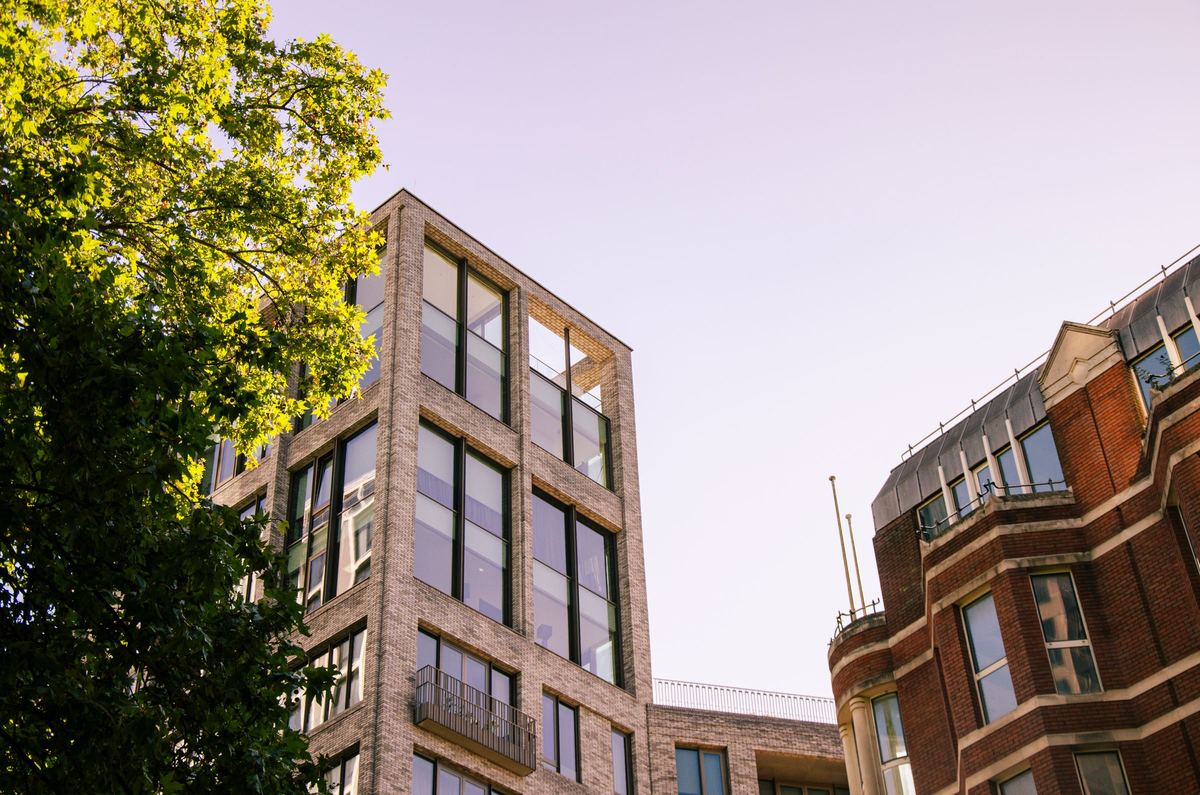
Commercial property security covers the protection of buildings, common parts, car parks and grounds that a landlord or owner controls. It usually combines front-of-house or static guarding, out-of-hours patrols, keyholding and alarm response, lock and unlock services and CCTV, with costs often recovered through the service charge.
The detail
Open any topic for the full explanation.
Protecting the asset and the tenant experience
In a multi-let building the landlord controls the common parts: entrances, receptions, lifts, stairs, plant rooms, roofs, loading areas and car parks. Security failures in those areas affect every tenant, and they show up in tenant satisfaction, lease renewals and insurance claims.
Good commercial property security is visible but unobtrusive. Officers know the tenants, manage contractors and visitors, check that fire doors and plant rooms are secure, and respond to problems before they become complaints. Out of hours, mobile patrols and keyholding make sure alarms are answered and the building is locked down properly.
Scoping security around the service charge
Where security costs are recovered from tenants, the specification has to be justifiable. We help asset and property managers set out what is needed and why: staffed hours at reception, patrol frequency, alarm response arrangements and any technology. That gives you a clear basis for budgeting and for explaining the charge to occupiers.
Price is driven mainly by officer hours. Moving overnight cover from a static officer to patrols with monitored CCTV is often the largest saving available, where the risk allows it.
What we need to know to scope the site
Typical requirements we scope with landlords and managing agents include:
- Reception and guarding hours aligned to tenant occupation patterns.
- Contractor sign-in and permit checks for plant rooms, roofs and risers.
- Out-of-hours alarm response and named escalation contacts.
- Car park and service yard patrols.
- Clear incident reporting to the property manager and, where agreed, to tenants.
Deployment options
- Staffed reception: Front-of-house officers during core hours, with internal patrols at set times.
- Patrol and response model: Mobile patrols, lock and unlock and keyholding for buildings without staffed cover.
- Combined portfolio cover: Different models for each asset, managed and reported under one contract.
Compliance considerations
Officers carrying out guarding hold an SIA Security Guarding licence. CCTV covering common parts or public areas must comply with UK GDPR, the Data Protection Act 2018 and the ICO’s video surveillance guidance. The Terrorism (Protection of Premises) Act 2025 (Martyn’s Law) received Royal Assent in April 2025 with an implementation period of at least 24 months; whether a building is in scope depends on its uses and capacity, so take advice for mixed-use schemes.
Security technology
Mobile patrols use marked vehicles with satellite tracking and wearable digital patrol recording, and our CCTV range includes Go Sentinel Pods for indoor areas and Go Solar 365 AI CCTV Towers for car parks and yards, monitored 24/7 from an NSI Gold accredited alarm receiving centre.
Reporting
Officers record patrols, occurrences and contractor movements, and every alarm activation is followed by an incident report. Mobile patrol visits generate a digital report. We agree a regular summary for the property manager covering incidents, trends and recommended changes.
Questions
Can security costs be recovered through the service charge?
That depends on the terms of each lease and the applicable service charge arrangements, so check with your property manager or legal adviser.
Do we need a guard on site 24 hours a day?
Many multi-let buildings need staffed reception during core hours only. Out of hours, lock and unlock, mobile patrols, keyholding and monitored CCTV often provide proportionate cover at lower cost. Continuous guarding is usually justified by high footfall, high-value tenants, repeated incidents or specific tenant requirements.
Can your officers manage contractors working in the building?
Yes. Officers can sign contractors in and out, check identification against booked works, issue keys or passes and confirm that areas such as plant rooms and roofs are locked afterwards. Permits to work remain with your facilities or property management team; officers check they are in place.
What happens when an alarm activates at night?
Our SIA-licensed keyholding officers attend, check the building, reset or secure it, and contact your escalation contacts as instructed. If you prefer, they can attend alongside your own keyholder, reducing lone-working risk. An incident report follows every activation and is sent to your property manager.
Talk to us about your site
We review every enquiry and come back with a written, costed proposal.
Prefer to talk? 0330 520 2207
Fields marked required are all we need to prepare a proposal.