
Event and Exhibition Security
Events compress risk into a short window: crowds, valuable equipment, temporary structures and a site that is open one day and empty the next.
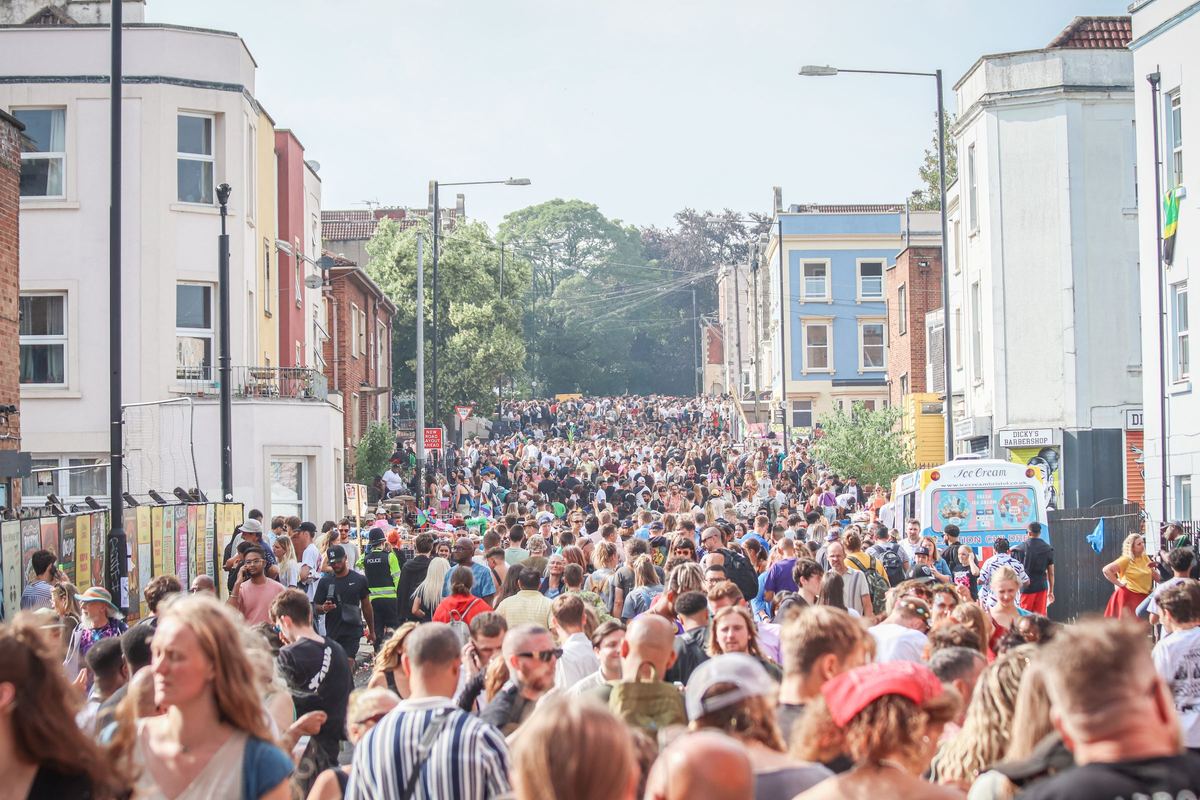
Event security is the provision of licensed security officers to protect people, property and access at an event, such as an exhibition, corporate function or sporting fixture. Typical duties include entry checks, access control to restricted areas, protecting equipment during build-up and break-down, patrols and incident response.
- Cover from build-up to break-down
- Licence requirements assessed per event
- Officers briefed for your event
- Customer-focused presence
- Clear reporting
How it works
- 1Event review
- 2Staffing and licence assessment
- 3Assignment instructions
- 4Briefing and deployment
- 5Live supervision
- 6Debrief and reporting
The detail
Open any topic for the full explanation.
Security across the full life of an event
The public hours are only part of an event’s security exposure. Exhibitions and shows often carry their highest theft risk during build-up and break-down, when stands, AV equipment and stock are being moved in and out, doors are open and many contractors are on site. Overnight, a venue full of exhibitor property may have no-one in it at all.
Seccuro provides guarding at events, exhibitions, leisure and sporting environments, covering build-up, live days, overnight periods and break-down. Officers are deployed under assignment instructions written for the event, so they know the site layout, access zones, accreditation types, escalation contacts and emergency procedures before the doors open.
What event security officers do
Depending on the event and the plan agreed with the organiser, duties can include:
- Entry and access control: checking tickets or accreditation, managing entry points, and controlling access to back-of-house, production and VIP areas.
- Bag searches where the organiser’s conditions of entry provide for them, carried out consistently and courteously.
- Asset protection: guarding exhibitor stands, equipment stores, cash points and loading docks, particularly during build-up and break-down.
- Overnight guarding of the venue or temporary structures between event days.
- Patrols of the site, perimeter and car parks, reporting hazards and suspicious behaviour.
- Incident response: dealing with disorder, ejections where authorised, lost children or vulnerable people, and supporting first aid and emergency services.
- Supporting evacuation and other emergency procedures in line with the event plan.
Our role is security guarding. Crowd management planning, stewarding of large crowds and event safety management are normally the responsibility of the organiser and their safety advisers; we work within their plan and will tell you plainly where a requirement sits outside our scope.
Licensing: when door supervisors are needed
The licence an officer needs depends on what they are doing and where. Under the Private Security Industry Act 2001, guarding premises or property against unauthorised access, theft or disorder under a contract for services requires an SIA front-line licence. Where the activity is at licensed premises, meaning premises licensed for the sale of alcohol or regulated entertainment, and the premises are open to the public, the activity is likely to be door supervision, which requires an SIA Door Supervision licence. In other settings a Security Guarding licence may be appropriate. The SIA notes that door supervision at licensed premises needs a licence whether the officer is employed in-house or under contract.
Many events involve a premises licence or a temporary event notice, so the licence type cannot be assumed. Seccuro assesses the staffing and licence requirements for each event, based on the venue, the licensing position, the activities and the conditions attached to any licence.
Planning an event security deployment
To prepare a proposal, we ask organisers and venue managers for:
- The event type, dates and timings, including build-up, overnight and break-down periods.
- Expected attendance and the venue layout, including entrances, zones and car parks.
- The licensing position: premises licence, temporary event notice or none, and any conditions about security staffing.
- The event management plan and risk assessment, and who leads on crowd safety.
- Accreditation types, search policy and conditions of entry.
- Particular concerns: high-value exhibits, VIP attendees, protest risk or alcohol sales.
Price depends mainly on officer numbers, hours, licence types needed, the number of days, supervision ratios, and any overnight cover. Short-notice requests can sometimes be met, but more notice allows better officer selection and briefing.
Licensing, law and standards
SIA licensing. Officers carrying out licensable activities hold the relevant SIA front-line licence. Front-line licences normally last three years and must be displayed while on duty.
Martyn’s Law. The Terrorism (Protection of Premises) Act 2025 received Royal Assent in April 2025 and will be regulated by the SIA after an implementation period of at least 24 months. It applies duties to certain premises and qualifying public events according to the number of people reasonably expected to attend, with a standard tier and an enhanced tier for larger premises and events. Duties include public protection procedures and, for the enhanced tier, measures to reduce vulnerability and documentation. Organisers should check official Home Office and SIA guidance to confirm whether their event is in scope; security officers may form part of the procedures but do not by themselves make an event compliant.
Data and certification. Where CCTV or body-worn video is used, UK GDPR and the ICO’s video surveillance guidance apply. Seccuro does not hold crowd-management certification.
Technology and reporting
Incidents are recorded and reported to the organiser. For outdoor events or temporary sites, off-grid CCTV towers and solar lighting towers can support overnight guarding. Where patrols are part of the deployment, visits are recorded through wearable digital patrol recording. See technology and reporting.
Questions
How many security officers does our event need?
There is no universal ratio. Numbers depend on attendance, the venue layout and number of entrances, alcohol sales, the event’s risk assessment, licence conditions and the duties required at each phase. We base our recommendation on the event plan and risk assessment, and any staffing set out in licence conditions or by the safety advisory group must be followed.
Can you guard exhibitor stands overnight?
Yes. Overnight guarding of exhibition halls, stands and equipment is a common requirement, particularly between build-up and the first live day. Officers patrol the venue, control access by contractors and staff, and report any incidents. We agree access arrangements with the venue, which may have its own security team.
How much notice do you need for event security?
As much as possible, particularly for larger events or those needing door supervisors, so there is time for a site visit. We cannot guarantee availability for short-notice requests. Share the event plan, dates and licensing details as early as you can.
Talk to us about your site
We review every enquiry and come back with a written, costed proposal.
Prefer to talk? 0330 520 2207
Fields marked required are all we need to prepare a proposal.