
A logistics facility needs security that controls every route into and out of the site: a secure perimeter, a managed gatehouse for vehicles and people, a supervised yard, internal controls around high-value stock, monitored CCTV and a clear reporting line. The exact mix depends on the stock held, the hours of operation and the layout, so the starting point is always a site-specific risk assessment.
Read moreShow less
This guide sets out the requirements that facilities managers, site leads and procurement teams typically need to consider, and how to turn them into a specification that a security provider can price and deliver.
Key takeaways
- Logistics security starts with a site-specific risk assessment covering the perimeter, gatehouse, yard, building, stock and people.
- The gatehouse is usually the single most important control point, because it governs who and what enters and leaves the site.
- Officers carrying out guarding duties must hold an SIA front-line licence, which buyers can check on the public register.
- CCTV, ANPR and body-worn video are subject to UK GDPR, so a data protection impact assessment and clear signage are expected.
- Security controls at a busy yard must work alongside workplace transport safety, not against it.
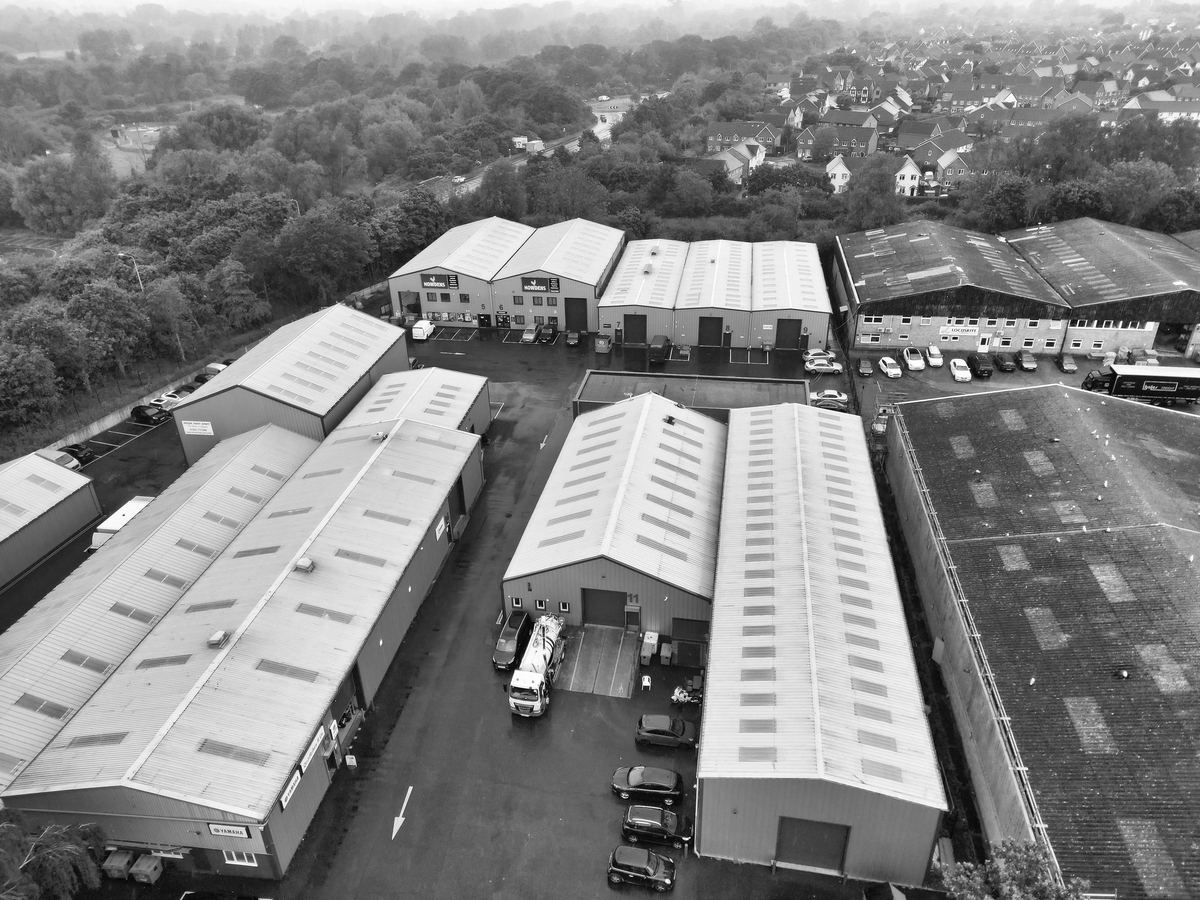
Why logistics sites present a distinct security challenge
Warehouses, cross-docks and fulfilment centres combine several features that make security more demanding than in a typical commercial building:
Read moreShow less
- Continuous operation. Many sites run around the clock, so there is no quiet period in which the building is simply locked.
- High volumes of visiting drivers. Hauliers, couriers and agency staff change daily, and many will never have visited the site before.
- Portable, resaleable stock. Consumer electronics, alcohol, tobacco, pharmaceuticals, clothing and building materials are all attractive to thieves.
- Large perimeters and yards. Fencing, gates and trailer parks can cover a considerable area, often with limited natural surveillance after dark.
- Insider risk. Losses do not only come from outsiders. Collusion between people with legitimate access and people without it is a risk any honest assessment has to consider, so controls must apply to everyone, not only visitors.
A security plan that works for an office will rarely work here. The priority is controlling movement of vehicles, goods and people, and creating an accurate record of that movement.
The core security requirements
Read moreShow less
1. Perimeter integrity
The perimeter is the first layer. Requirements typically include fencing of a suitable height and condition, secured gates, lighting that covers the fence line and yard, and a routine for checking the perimeter on each shift. Officers on foot or internal mobile patrols should record fence damage, holes, items stacked against fences and any sign of interference, so that defects are repaired before they are exploited.
2. Gatehouse and vehicle access control
The gatehouse is where most logistics security is won or lost. A well-run gatehouse will:
- check every arriving vehicle against a booking or delivery schedule;
- record the vehicle registration, trailer number, haulier, driver name and time in and out;
- verify seal numbers on arrival and departure where the client uses seals;
- issue visitor passes and site rules to drivers, including where they may and may not walk;
- refuse or hold vehicles that are not expected, and escalate in line with the assignment instructions;
- carry out vehicle and trailer checks where the client’s policy requires them.
The client should decide in advance what officers do when paperwork does not match, when a seal number differs or when a driver refuses a check. Those decisions belong in the assignment instructions, not to the officer on the night.
3. Yard management and trailer security
Loaded trailers left in a yard are a frequent target. Typical controls include parking loaded trailers back to back or against a wall so doors cannot be opened, kingpin or wheel locks on detached trailers, a trailer register checked at shift change and regular patrols of the yard. Where vehicles leave for or arrive from Europe, operators also need to think about load-space security: GOV.UK guidance on the clandestine entrant civil penalty scheme expects vehicle owners and drivers to secure their vehicles and record the checks they make.
4. Building access and internal controls
Inside the building, the aim is to separate drivers from the warehouse floor, restrict access to high-value cages and control staff entry and exit. Common measures include driver rest areas separated from the loading docks, access control on staff doors, segregated cages with limited key or card holders, and a policy on personal bags and lockers. Reception and front-of-house officers often manage visitor sign-in, contractor permits and key control.
5. Stock protection
Shrinkage at logistics sites can come from theft, administrative error or deliberate fraud. Security cannot solve every source, but it can provide controls that deter and detect: randomised searches where the client’s policy and employment contracts allow them, checks of outbound vehicles against manifests, and patrols that include high-value areas at irregular times.
6. CCTV and monitoring
CCTV coverage normally focuses on gates, dock doors, yards, cages and the perimeter. It is most effective when someone is responsible for watching or reviewing it, whether an officer on site or a remote monitoring service. Automatic number plate recognition (ANPR) at the gate can support the gatehouse log, provided it is operated lawfully.
7. Out-of-hours and contingency cover
Sites that close at weekends or overnight may need mobile patrols, keyholding and alarm response, and a plan for when primary systems fail, such as a power cut affecting gates or CCTV. Short-notice cover for peak periods, stock takes or incidents should be agreed with the provider in advance.
Requirements at a glance
Read moreShow less
| Area | What good looks like | Typical controls |
|---|---|---|
| Perimeter | No unrecorded defects; lighting covers fence line | Patrol checks each shift, defect reporting, CCTV on vulnerable sections |
| Gatehouse | Every vehicle and driver accounted for | Booking checks, gate log, seal checks, visitor passes, escalation rules |
| Yard | Trailer locations and status known at all times | Trailer register, locks, back-to-back parking, yard patrols |
| Building | Drivers and visitors kept off the warehouse floor | Access control, driver welfare areas, key control |
| Stock | High-value areas restricted and checked | Cages, searches under policy, outbound checks |
| CCTV | Coverage of key points with a lawful basis and a named operator | Monitored or reviewed CCTV, DPIA, signage, retention policy |
| Out of hours | Alarms answered and checked within agreed response times | Keyholding, alarm response, mobile patrols, lock and unlock |
Legal and compliance points to build in
Read moreShow less
SIA licensing
Anyone carrying out licensable security guarding activity under a contract must hold the relevant SIA front-line licence. GOV.UK explains that employers must check that security staff hold the correct licence, and anyone can check a licence on the SIA public register. Buyers can also check whether a company is listed on the SIA register of approved contractors.
Workplace transport safety
Security officers at a gatehouse or in a yard work among moving HGVs, shunters and lift trucks. HSE’s workplace transport guidance covers traffic routes, site layout and the separation of people from vehicles. Security procedures should reinforce those controls: officers need high-visibility clothing, defined safe positions, and instructions that never require them to stand in a vehicle’s path to stop it. Where officers work alone at night, the employer must manage lone working risks before the work starts, as HSE sets out.
Data protection for CCTV, ANPR and body-worn video
The ICO’s guidance on video surveillance applies to CCTV, ANPR and body-worn video. It expects a data protection impact assessment in most surveillance cases, signage that identifies the operator and purpose, retention periods set by purpose rather than storage capacity, and an audit trail when footage is disclosed. Logistics clients should agree with their provider who acts as controller, who may view footage and how requests from the police or individuals are handled.
Turning requirements into a specification
Once the risk assessment is complete, the requirements should be written into a specification and site assignment instructions.
Read moreShow less
A practical specification for a logistics site will normally state:
- the hours and number of officers required for each post (gatehouse, patrol, reception);
- the tasks for each post, including gate procedures, patrol routes and frequencies;
- the escalation contacts for each type of incident;
- the systems officers will use, such as access control, CCTV, radios and digital patrol recording;
- the reports the client will receive and how often;
- how performance will be measured and reviewed.
For a structured way to identify the risks behind these requirements, see our guide to warehouse security risk assessment. For guidance on guarding posts, shift patterns and staffing at larger sites, read distribution centre security guarding.
Reporting that supports decisions
Security is only useful to a logistics operation if it produces information the site team can act on.
Read moreShow less
Typical outputs include a daily occurrence log, gate movement records, patrol records showing checkpoints visited, and an incident report for each event. Patterns matter more than individual entries: repeated fence damage on one boundary, a haulier whose seals regularly mismatch, or alarms that activate at the same time each week. Monthly reviews with the provider should look at those trends and adjust the plan.
How Seccuro supports logistics facilities
Seccuro’s guarding service can be configured for warehouses and distribution centres, combining static gatehouse officers, foot and internal patrols, reception and access control duties, and integration with the client’s electronic systems.
Read moreShow less
Out of hours, mobile patrols in marked vehicles with satellite tracking and wearable digital patrol recording, keyholding with 24/7 alarm response, and remote CCTV monitoring can extend protection when the site is quiet. Services are available across the UK, with mobilisation agreed per site.
To discuss the requirements for your facility, see our logistics and warehousing security page and our security guarding service, or request a quote.
Questions
Do gatehouse officers need an SIA licence?
Yes, where they are supplied under a contract to guard premises or control access. A licence can be looked up using the licence number or the holder’s details.
Can security officers search drivers or staff at a warehouse?
Searches should only take place under a clear client policy, with consent and, for employees, a basis in their terms of employment. The assignment instructions should state who may be searched, how, where it takes place and what happens if someone refuses. Security officers have no general legal power to search.
Is ANPR at a site gate covered by data protection law?
Yes. Number plates can identify individuals, so ANPR is processing of personal data.
Sources (6)Hide sources
- GOV.UK: Check security staff have a licence to work
- GOV.UK (SIA): Choosing an SIA approved contractor
- HSE: Workplace transport
- HSE, Lone working: protect those working alone
- ICO: Video surveillance (including guidance for organisations using CCTV)
- GOV.UK, Clandestine entrant civil penalty scheme: secure your vehicle
General guidance, not legal advice. Check current legislation and official guidance for your circumstances.